So it’ seems fitting given my background that my first posting should be about the Vikings. This is going to be the first of several writings on the Vikings, starting with something more general, and moving into more specific areas. I fully understand introductions can be dry and boring, but I’ll try to make it as painless as possible. Before we can begin to discover who the Vikings were, we first need to discard who they weren’t. There’s a lot of myths and imagery associated with the Vikings that actually has nothing to do with them. So, forget everything you’ve seen, heard, or think you know, including:
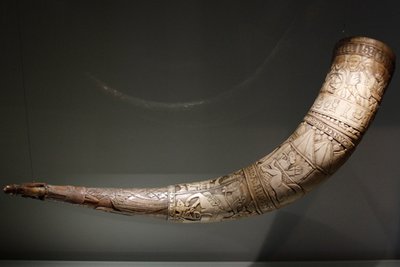
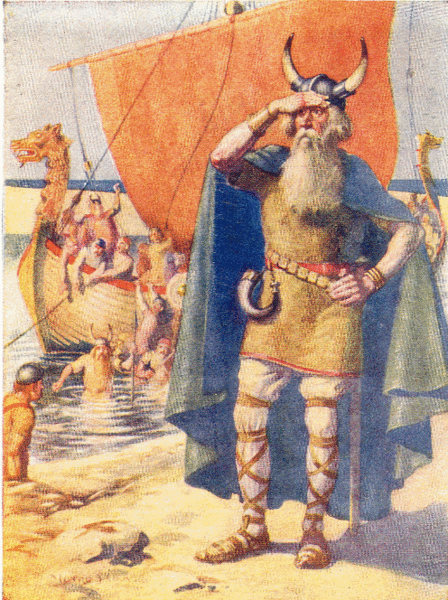
1. Vikings didn’t wear horned helmets. That’s a Victorian addition to make them some sort of Noble Barbarian. Horns were really big at the time, as the Hebrew word for horn was the same as power, and with all the religion during the Victorian era, somehow horns got to be cool, and its in a lot of the paintings and statues from the period. What they did have were Drinking Horns, often ornately carved.
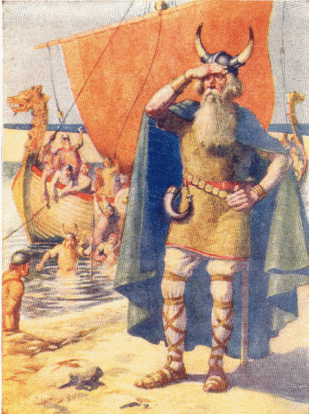
The picture on top is NOT what a Viking looked like.
The picture above is a Viking Drinking horn from Iceland’s National Museum.
2. They weren’t some bare chested, unsophisticated barbarian portrayed by Kirk Douglas. As much as I love some Kirk Douglas movies, and I think “The Vikings” marks the first time the Vikings make it onto the big screen in any fashion, it’s not a very good portrayal. Someone who knew just enough to make a movie about stuff, sold it to the unknowing masses of the 1950s, and a success was born. Besides, it had bare chested Tony Curtis scenes. The Boats are pretty cool, and they actually built 3 of them for the movie, but they made them smaller since they didn’t have enough men to actually row a heavy ass Viking boat. The oar jumping game is a good Viking game, however. The funeral scene at the end is an accurate depiction of a Viking boat burning, but this was extremely rare, and usually only done for kings and the very honored dead.
3. They most certainly weren’t anything like “The Vikings” as sadly portrayed by “The History Channel”. I have to admit, I only made it through half a season before my bleeding eyes couldn’t take any more, but Its hard to miss all the news about the show. (thats what I get for having a google news filter for :vikings. angry football players and tv news) The number of Historical errors and falsehoods are too numerous to mention, so I’ll keep to the couple things the show does do right. It does introduce somethings that were definitely Viking. Shield Maidens, The Great Blot, The Term Jarl (which is where we get Earl), and the paranoia the Vikings caused.
So, if the Vikings weren’t these things, what were they? Well now, that’s an interesting story. It’s a long one, and has many fascinating tales and journeys. But before we get to the story, lets take a look at some quick facts:
– The Romans called the Vikings the Scandi, which is where Scandinavia gets its name. The Medieval Europeans called them Danes. This is likely because most of the interactions between the Vikings and Europe took place though what today we call Denmark, then called Daneland or Danmark. They were also called Northmen, since, well they came from the North of just about everything else. This slowly evolved over time into the word Norse. When the Vikings invaded France the King gave them a chunk of land if they went away. They took it, and it became known as Northmanland, or Normandy to us today.
The Vikings themselves made the distinctions between Nord, Swede, and Dane, but still generally considered themselves to be all of one people. The only people who were known as Vikings were those who actually went over seas, or as they called it, Went a Viking.
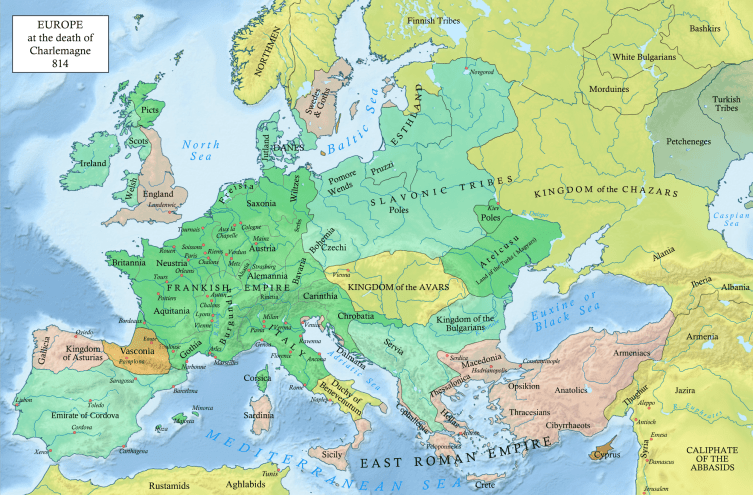
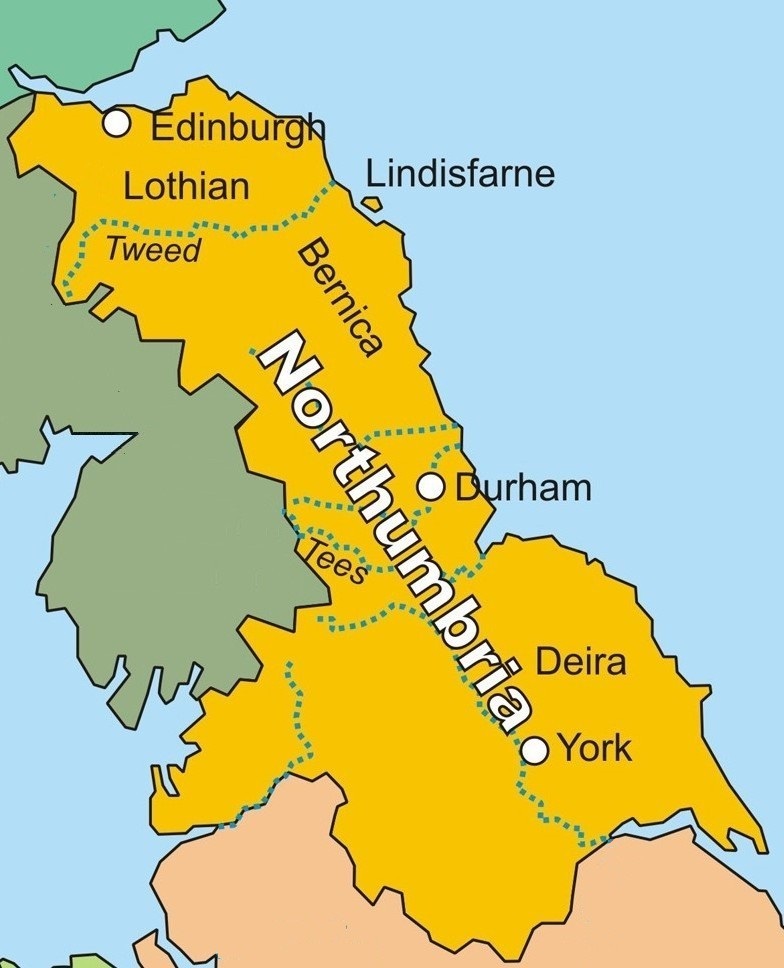
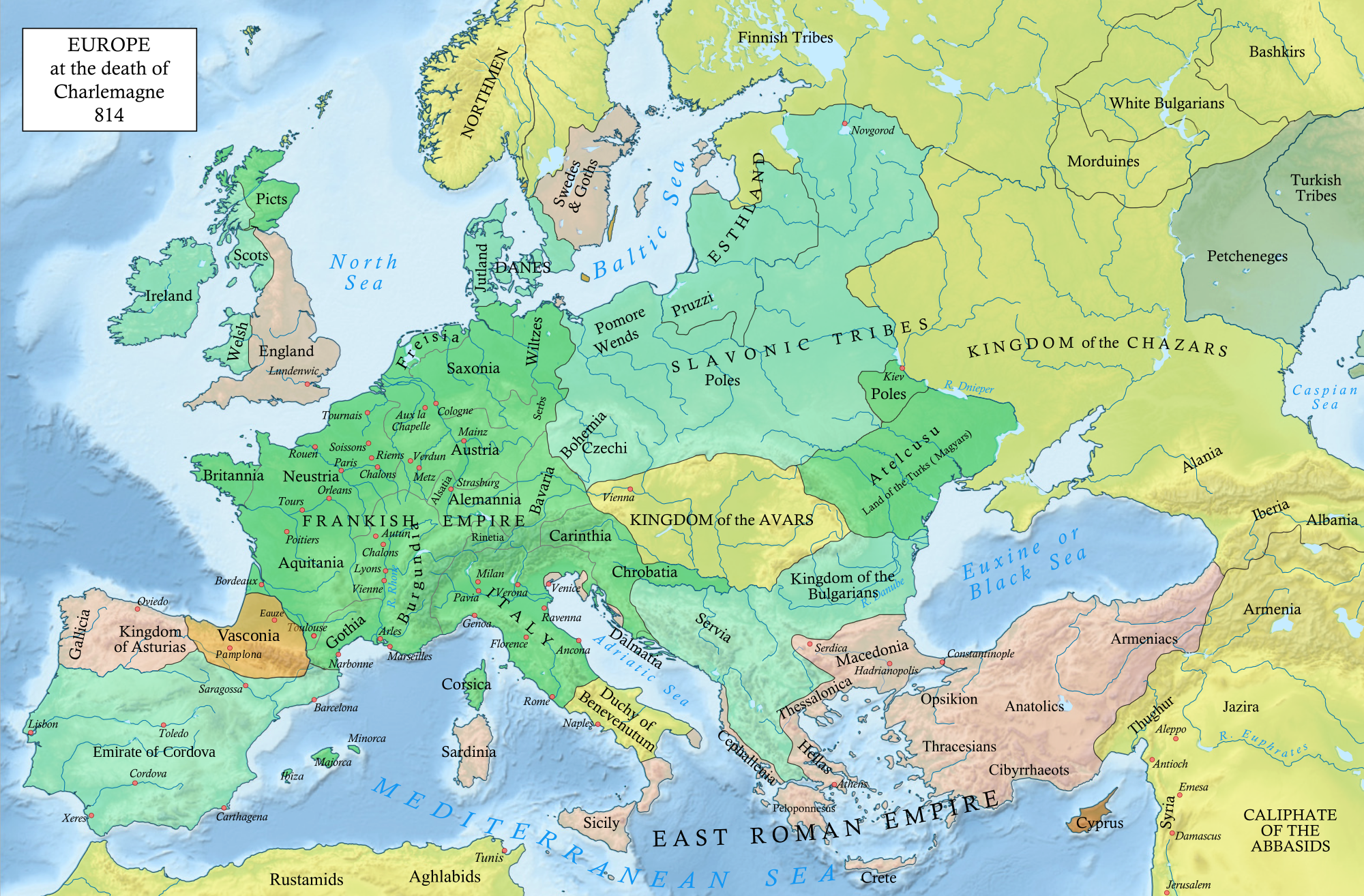
This map shows some of the cultural and political boundaries during the early years of Viking expansion
You can can see Scandinavia in the top middle section there.
– Most Vikings actually wanted to be farmers. Seriously. The prestige of owning land, animals, and having men at command is what drove most Vikings to seek wealth abroad, wealth they then wanted to spend on farm land. Also it made you more attractive to the ladies. This was particularly true of the Norwegians who had next to no farmland, which is why so many of the Vikings hailed from Norway. Right behind them were the Swedes, who had farmland on the eastern side of things, but that put it largely out of the trade routes. The Danes for the most part were pretty happy, having a lot of farmland, easy access to their Kin up north, and all the trade routes in between, which is why most Danes didn’t leave Denmark much during the Viking and Industrial eras.
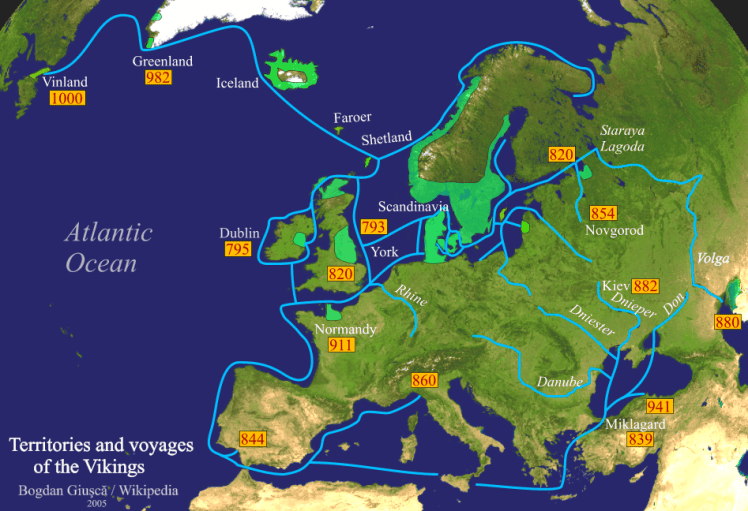
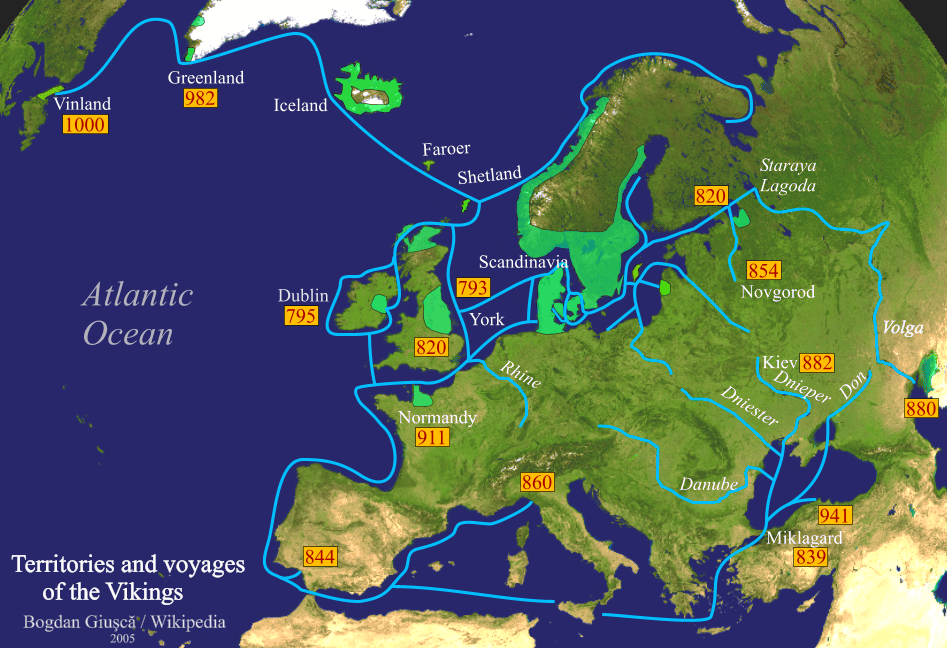
This map shows the extent of the Viking expansions. The green portions are showing settlement, the blue lines are showing where they traveled. The dates are accurate.
-Most Viking chieftains were called Kings, and they ruled over everything from a handful of men to whole territories. “Kings” as we think of it today would come into place around the 8th century and really formalize in the 10th. Kings would have Jarl’s below them, and bondsmen below that. Bondsmen is basically anyone who swore an oath to you or your family. Think Chewie to Han Solo. You might be doing this to repay a debt, either financial or honor. You could be doing this because you have no family or holdings of your own. Or you think this might be a way for you get honor and glory for yourself. Also, it could just be fun.
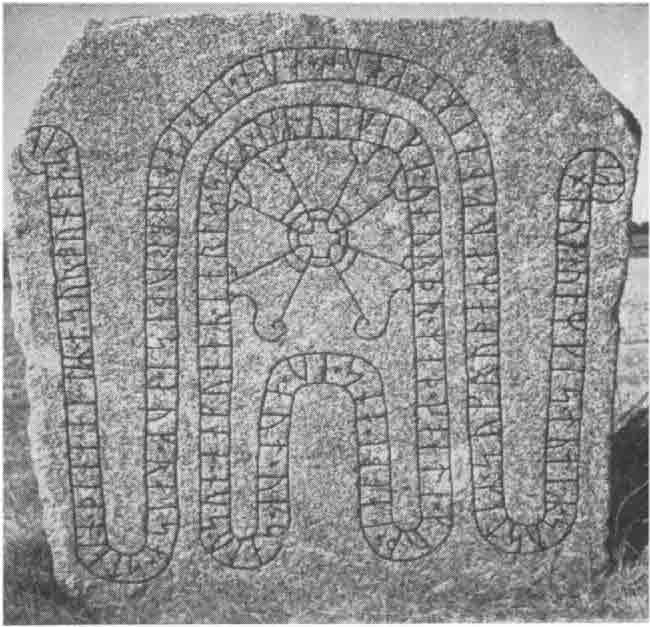
– Most Vikings were literate! The Vikings spoke what we today call Old Norse, and up til about 1000 AD they wrote in Runic. The use of regular Latin script (what you’re reading with right now) started around the 900’s, and was the dominant script by the 1100’s. Unfortunately for us, the Vikings didn’t really give much thought to writing, and the first manuscripts don’t appear til well after the Viking age had ended and everyone had become Christian. What we do have in writings from the Viking era amount to little blurbs on stone. Think of it as Viking Stone Tweets. Usually they say stuff like “Olaf, my father, went east to fight the Saxons and died there. Remembered by his sons”. Occasionally you get “So and so raised this bridge. He is awesome”, and while fascinating (to some), it’s not really the hard hitting history we like to see. The only other written material from the Vikings is graffiti. While I tend to think of the idea of Viking graffiti as pretty badass, most of it is written in Churches, which needless to say did not help endear the Vikings to the owners of those churches. Usually the graffiti is limited to a name, “Rurrik was here”, but the some of that juvenile boyhood that always seems to be attached to graffiti was around even then, and we have a number of lude images to prove it, accompanied by tags like “Mine is longer than Svens”, etc.
About the time the Viking Runes started going away, we see a rise in local dialects and the birth of the modern languages we call Norwegian, Swedish, Danish, Farose, and Finish. The Icelanders had a rather nice tradition of not modifying the language, and only occasionally adding new words to it (like computer: tölva). This has let us read what Viking writing we do have, with a high degree of certainty. We don’t really have to guess or translate: it’s still an active language. Also, most of the oldest post Viking era histories about the Viking era come from Iceland, so we don’t have to guess with those either.
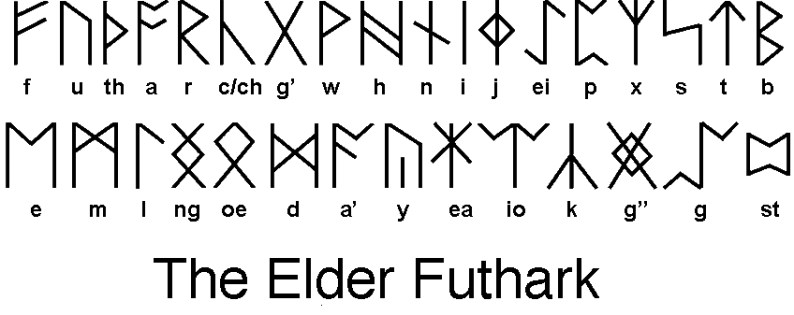
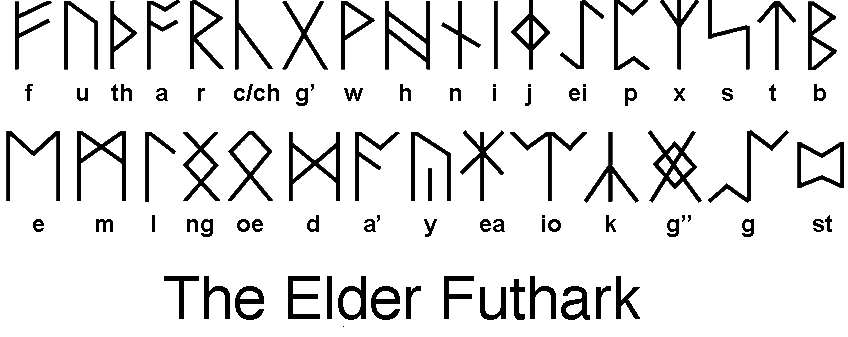
Above, an example of the Runic Alphabet. Runic varied significantly by date it was written in, and who was writing it. Each of the Scandinavian groups had it’s own variants, which were as unique and different from each other as they were to the Germanic and Celtic Runic scripts.
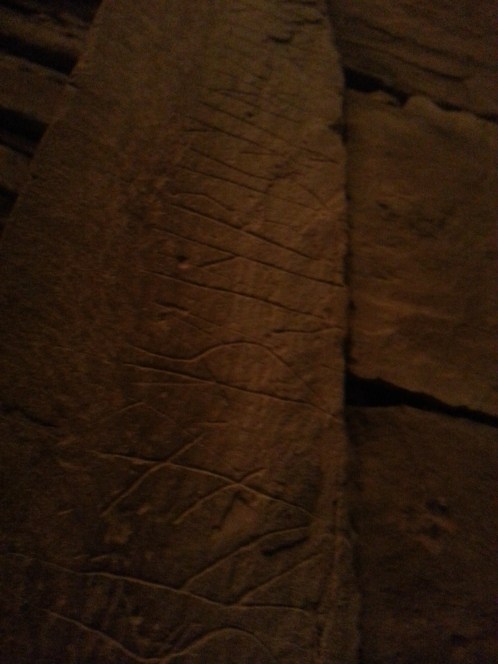
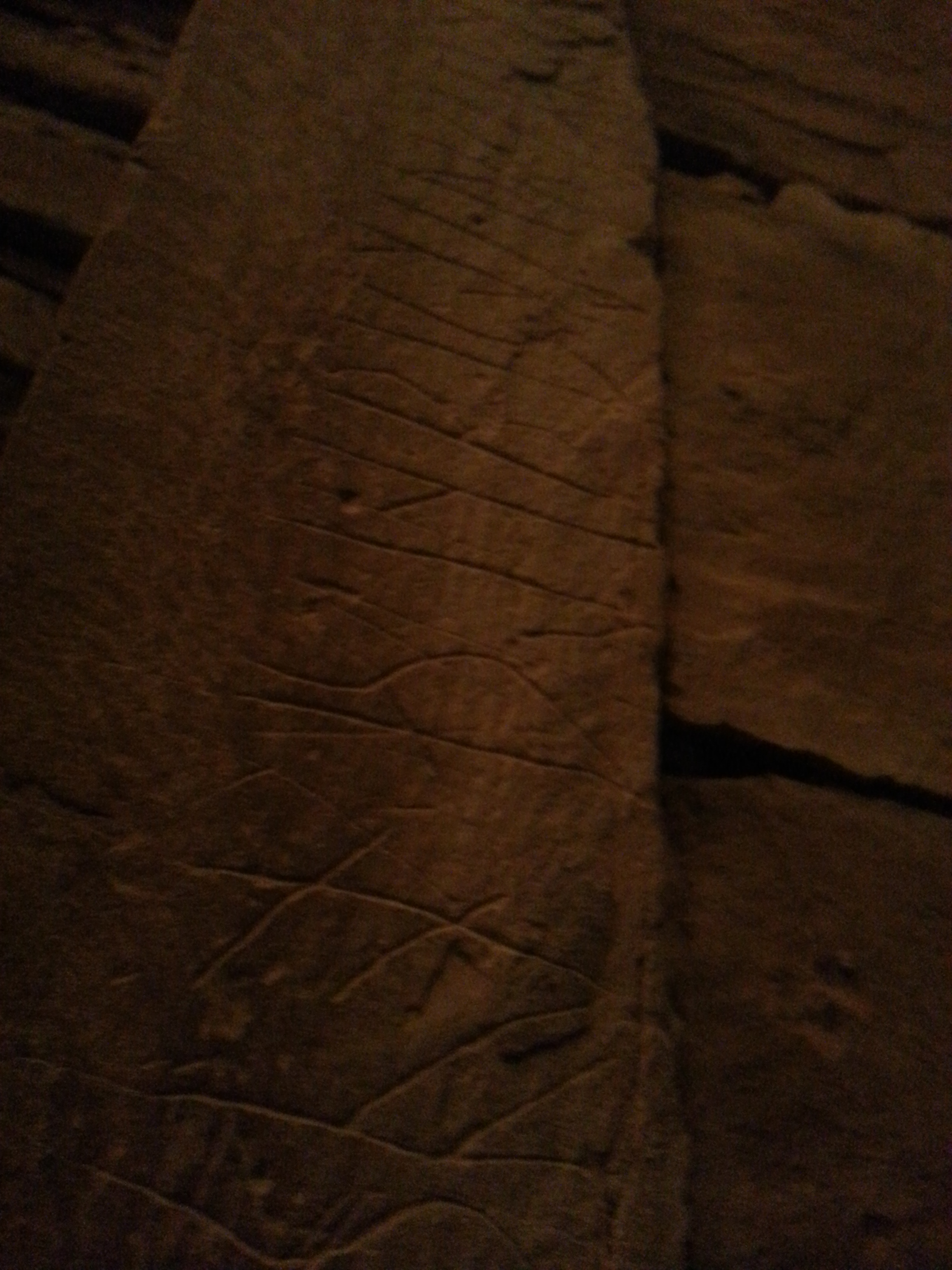
Below, a image of Norse Runes inside a burial mound, located on Orkney Island.
Bottom, a Swedish Rune Stone in Uppland.
– Like most people throughout history, the Vikings had fairly relaxed views on sex. As long as you were both consenting adults, you were ok. But if she wasn’t married to you, don’t get caught! Otherwise its a instant marriage or you’ll likely get run through by her fathers sword. If you were promised to each other, no one really cared, just be discrete. There were some caveats. Sleeping with a married person was a big no no. The woman could be set aside, or returned to her fathers house, and the dude could get himself killed or exiled. The whiff of anything homosexual and it was a dismemberment and a shallow grave for you. For those unmarried folks, you had a little bit more more fun than when you settled down, but you still needed to be careful. The major exception to that were parties. That’s right. Viking Parties. Usually these were reserved for really really big weddings or victories, but the annual Blot, or the Great Blot (every 9 years) were predictable parties. Wine, beer, fine meats, songs, dancing, etc. It wasn’t uncommon for a couple to get caught up in the events and get to it right there on the floor or table. Think woodstock, with breaks for a porno featuring your kids and neighbors. Blots lasted for a whole day, while the Great Blot lasted for 9 whole days, and were generally very popular.
– Viking Politics isn’t something that’s thought of too much, but it existed. Really big decisions and cultural road maps of sorts were determined and set at the afore mentioned Blots (before the partying), and all Vikings were expected to adhere to the choices. If really important decisions needed to happen before the next Blot, Vikings would call a Thing. A Thing was a gathering of as many chieftains as possible to make the decision as necessary. People on the way to a Thing were protected by The Law. At the Thing the person (man or woman) known as the Lawspeaker would chair it. The Lawspeaker was the person in that society who had been chosen to memorize and dedicated themselves to the law. It was a prestigious position, and generally very well respected. At the Thing all landholders were eligible to vote, this included men and women, unless they were children, in which case the next oldest living relative held their vote until they came of age.
Things were such important places, that the name Thing entered into the name of many locations the Vikings went, including The Modern capitals or their legislatures of most Scandinavian countries :
-Althingi : Iceland
-Folketing: Denmark
-Storting: Norway
-Lagting: Alandic
-Logting: Faroese
-Landsting: Greenland
-Tynwald (Tyn>thin>Ting): Manx
Tingvollr: Scotland
Tingwall: Shetlands
Three important notes, 1st, the Modern Scandinavian T represents a TH, much as it did in the past and should be pronounced as such.
2nd, Log (pronounced loog) means Law.
3rd, Icelands Althingi was established in 940 and its continued use today makes it the oldest surviving National Parliament, and one of the oldest democracies.
It’s easy to see that many of the places that hosted Things took on names that denoted some sort of governing.
– Nicknames we very popular in Viking culture. As nicknames go, you didn’t get much say in the matter and then tended to stick around regardless of what you did. Some of the more famous ones include:
-Ivar the Boneless (known for his skill as a rider)
-Thorstein the Red (led a number of invasions into Scotland)
-Erik the Red (call such because he ‘committed murder’ )
-Harold Bluetooth (Had an infected tooth)
Sven Forkbeard (gave birth to the fad of forking ones beard, as can still be seen among fans of Heavy Metal, Nordic Metal, and such)
– The first 7 minutes or so of the 1999 movie “The 13th Warrior” staring Antonio Banderas is actually lifted verbatim from a Medieval Muslim account. If you want to see a Viking boat burning, and get some idea of how Viking Warriors out and about lived, everything up to the calling for warriors scene is an excellent portrayal.
And now that you have some random fun facts under your belt, lets look at a some of the History behind the Vikings.
About 10,000 years ago (roughly 8000 BC) the Celts (pronounced: Kelts) inhabited most of Europe. If you’re wondering who the Celts are, don’t worry! I’m sure I’ll get to them at some point. Anyways, about 5-6000 years ago (4000 -3000 BC) a set of Celts decided to pick up and move north, and these peoples became the Scandinavians. It’s important to note that that around 1000 BC a group of Scandinavians decided to move back south again, married into the Celtic populations and became the Germanic tribes. You can also look forward to blog or two on the Germanic people.
Most of the Scandinavian and Germanic legends and lore come from that period between 4000 – 1000 BC. This is the stuff that warriors for centuries would dream of. Great battles, noble deeds, fair maidens, gold, glory, etc. This really engrained itself in the Scandinavian and Germanic mindsets, and it gave the Romans hell when they encountered the Germanic Tribes, and scared the living daylights out of Europe when the Vikings showed up. For the Vikings, it served as the backdrop to their Mythology and their Legends, creating a culture that would create it’s own legends in the first 5 centuries AD (0-500). All of this would combine into a honor bound, warrior culture that embraced everything from Gods possessing men on the battle field for fun, to democracy and women’s rights.
Around the the first century BC ( -100 to -1) the Roman Empire had a brief series of run ins with the Scandinavians. These and other encounters were recorded by famous writers like Tacitus, Pliny the Elder, and Ptolemy in the first century AD (0- 99). Because the Romans didn’t go very far north, the idea that Scandinavia was an Island, or series of islands spread pretty quickly among Roman writers. Tacitus writes that they were “situated on the Ocean itself, and these, besides men and arms, are powerful in ships. The form of their vessels is peculiar in this respect, that a prow at either extremity acts as a forepart, always ready for running into shore”. A pretty fair summation of the Vikings. Although the Viking weren’t quite up to the level of sailing Medieval Europe would come to recognize from them, Tacitus goes on about their boats, “They are not worked by sails, nor have they a row of oars attached to their sides; but, as on some rivers, the apparatus of rowing is unfixed, and shifted from side to side as circumstances require.” Some aspects of the ship design would survive to later dates, but the addition of the Sail radically changed the way Vikings traveled. We’re not entirely sure when the Vikings incorporated it into their ship designs, but it was sometime after the 150’s and before the 700’s. It’s entirely possible they got the idea from the Romans.
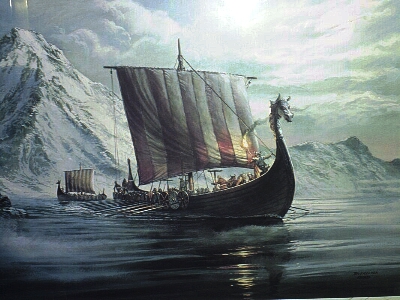
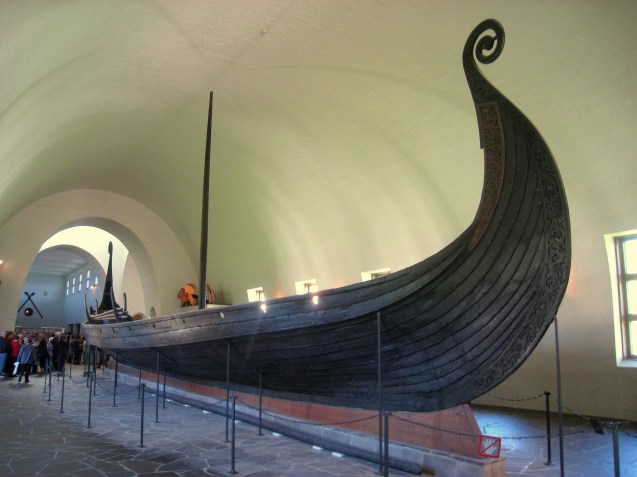
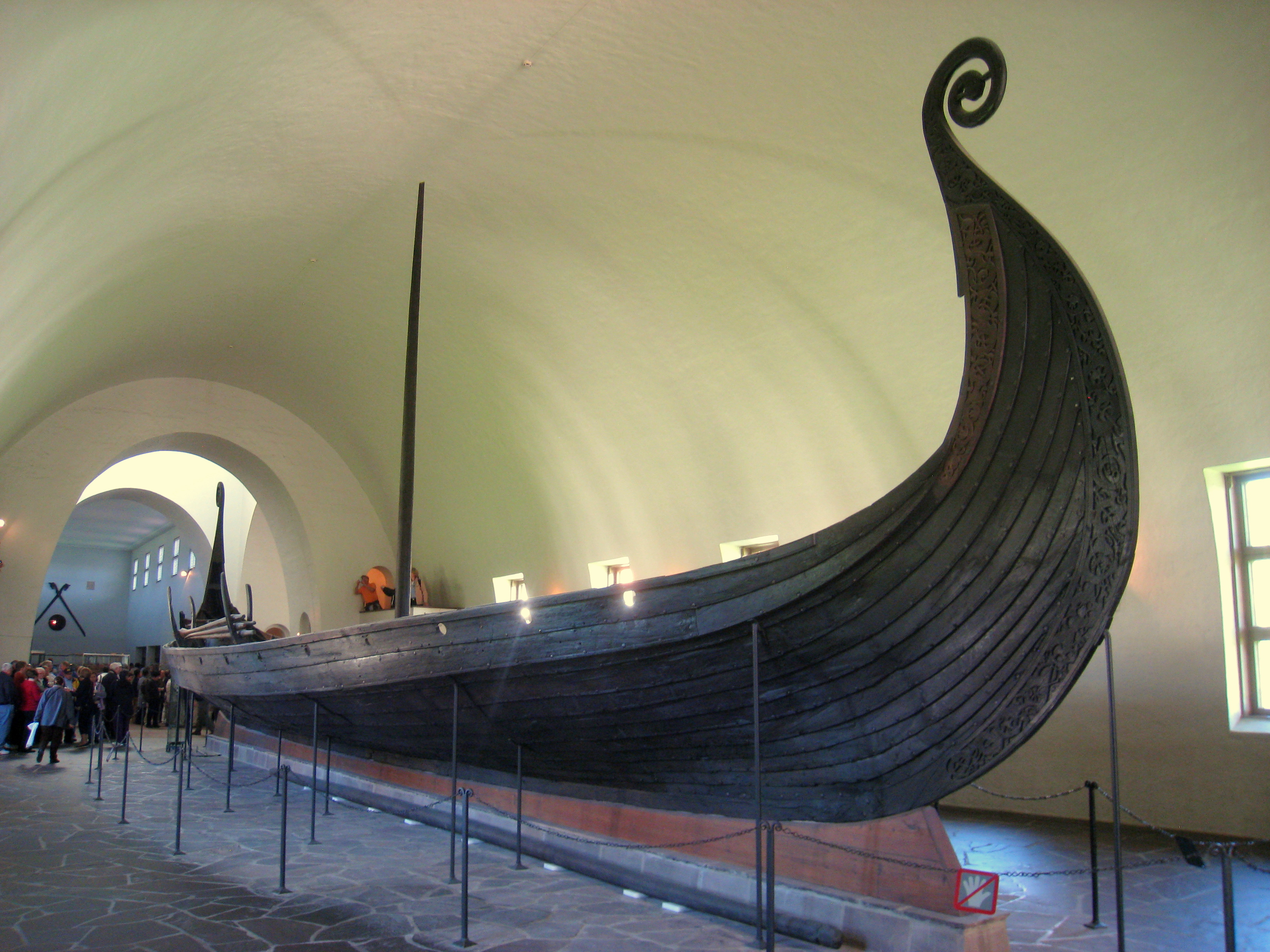
Above, a painting of Viking ships in a Fjord. Below, the Oseberg Ship, one of the best preserved Viking archaeological finds.
And with that, we bring ourselves right to the cusp of the Viking age. That wraps it up for the introduction folks! Stay tuned for the next chapter. We’ll be looking at the start of the Viking age!
Works Cited (and suggested reading list)
01.) Byock, Jesse L. 2001. Viking age Iceland. London: Penguin Books.
02.) Brondsted, Johannes. The Vikings. Middlesex, England: Penguin Books, 1965.
03.) Clover, Carol J. The Politics of Scarcity: Notes on the Sex Ratio in Early Scandinavia. Scandinavian Studies, 1988.
04.) Christiansen, Eric. 2002. The Norsemen in the Viking Age. Peoples of Europe. Oxford, UK: Blackwell Publishers.
05.) Church, Alfred John, and William Jackson Brodribb. “Tacitus, Germania.” – Wikisource, the Free Online Library. January 1, 1876. Accessed April 1, 2015.
06.) Du Chaillu, Paul Belloni. 1889. The Viking age: the early history, manners, and customs of the ancestors of the English speaking nations. New York: C. Scribner’s Sons.
07.) Foote, Peter, and David M. Wilson. The Viking Achievement; a Survey of the Society and Culture of Early Medieval Scandinavia. New York: Praeger, 1970.
08.) Jesch, Judith. Ships and Men in the Late Viking Age: The Vocabulary of Runic Inscriptions and Skaldic Verse. Woodbridge, Suffolk, UK: Boydell Press, 2001.
09.) Jones, Gwyn. A History of the Vikings. 2nd ed. London: Oxford University Press, 1968.
10.) Larson, Laurence Marcellus. 1935. The earliest Norwegian laws, being the Gulathing law and the Frostathing law. Records of civilization, sources and studies, no. 20. New York: Columbia University Press.
11.) Sawyer, Birgit. The Viking-age Rune-stones: Custom and Commemoration in Early Medieval Scandinavia. Oxford: Oxford University Press, 2000.
12.) Sawyer, P. H. 1962. The age of the Vikings. London: E. Arnold.
13.) Sykes, Bryan. Saxons, Vikings and Celts: The Genetic Roots of Britain and Ireland. New York: W. W. Norton, 2007.
 Chronicles of a Rainy Day Historian